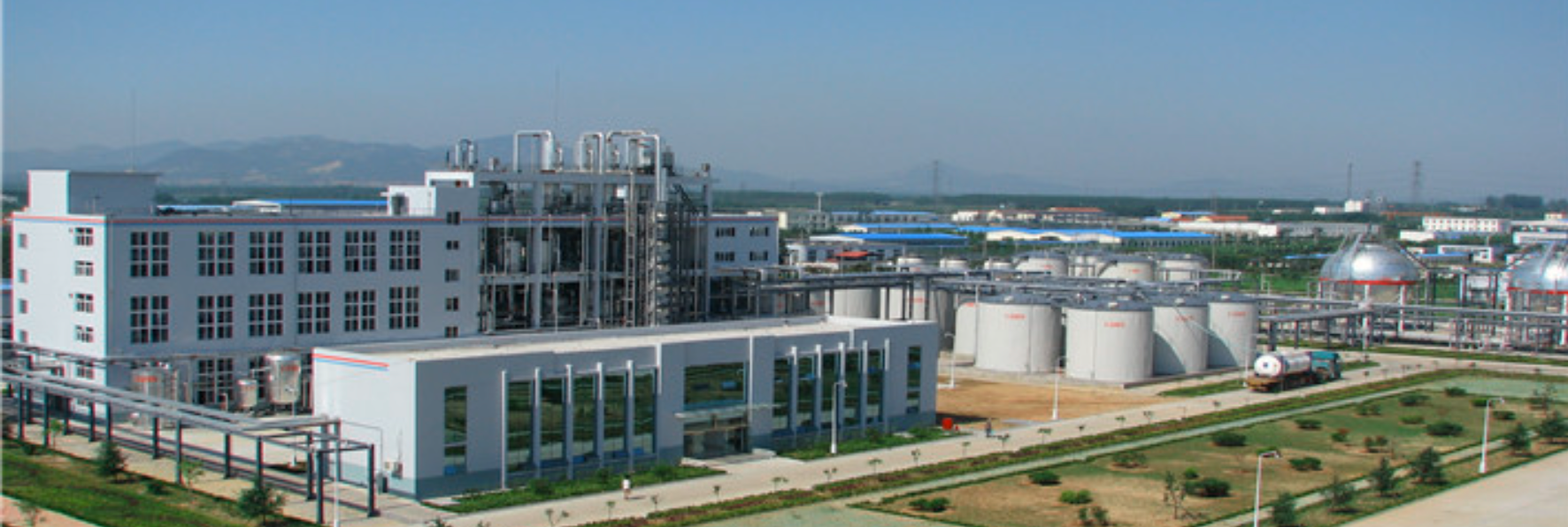
Fine Chemical Products
High-Purity Key Intermediates for Pharmaceuticals and Agrochemicals
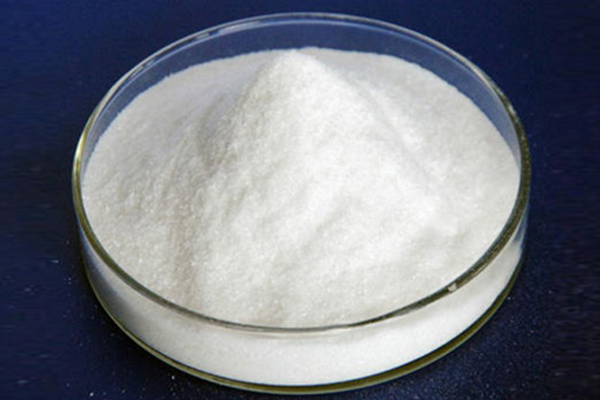
3-Methyl-2-nitrobenzoic acid
CAS: 5437-38-7
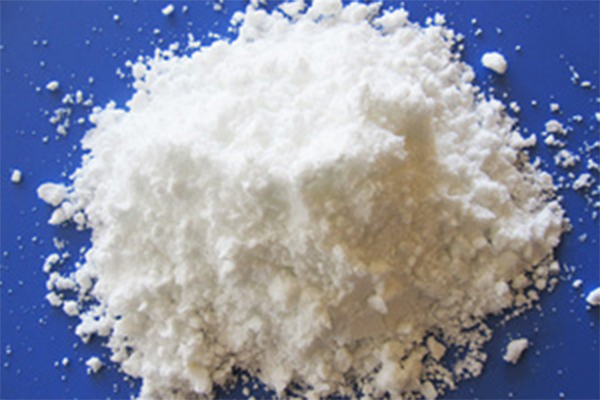
1,1-Dimethylethyl N,N'-bis(1-methylethyl)carbamimidate
CAS: 71432-55-8
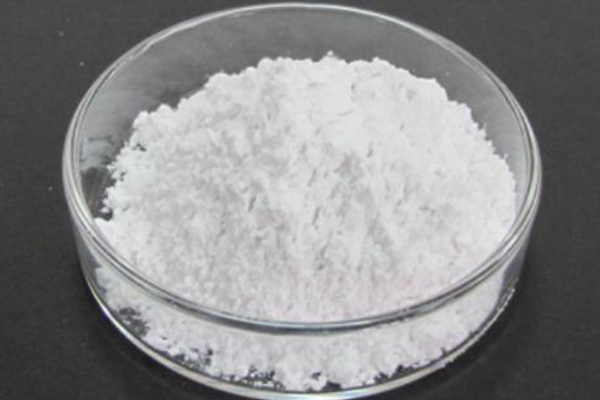
2-Amino-5-chloro-N,3-dimethylbenzamide
CAS: 890707-28-5
Product Introduction
Nitrobenzoic acid, K acid, and isourea are pivotal fine chemical intermediates widely utilized in the pharmaceutical and agrochemical industries. They serve as core raw materials for advanced insecticides, including Chlorantraniliprole, Cyantraniliprole, and Tolfenpyrad.
As a flagship product of DuPont and one of the world’s top-selling insecticides, Chlorantraniliprole stands out for its unrivaled advantages in high efficiency, safety, and selectivity. It takes effect just 7 minutes after application, with an activity level against target pests 10 to 100 times higher than similar products. Furthermore, it leaves no harmful residues, allowing agricultural products to be harvested and consumed on the same day of application.
This product is a best-seller in over 100 countries, covering vital crop markets such as soybeans, fruits, and vegetables, while maintaining a significant market share in cotton and rice cultivation.
Company Advantages
In collaboration with top-tier industrial research institutions and universities, such as the “Yangtze River Delta Green Pharmaceutical Collaborative Innovation Center,” the “National Engineering Research Center for Chemical Solid-state Form and Process,” the “Institute of Pharmaceutical and Chemical Process Safety,” and “Zhejiang University of Technology,” our company has formed powerful alliances to jointly construct continuous micro-channel and tubular reactor production process systems, deeply optimizing and innovatively upgrading existing technologies.
The company’s processes possess significant advantages in multiple aspects. In terms of green and environmental design, we innovatively employ a solid-liquid continuous flow nitration process, abandoning the extensive use of solvents and the “alkali-dissolving and acid-precipitation” procedures found in traditional batch processes, allowing for direct nitration reactions. Consequently, this not only achieves rapid reactions but also substantially reduces nitric acid consumption and waste generation. In the post-treatment stage, a purity of 99% or higher for the main product can be obtained through a simple filtration operation, while efficiently separating by-products, truly achieving resource recycling and the remarkable effect of “turning waste into value.” Furthermore, the new process slashes the original batch reaction time from 30 minutes to just 30 seconds, greatly enhancing production efficiency and reducing loss. This significantly shortens production cycles and minimizes lead times. From raw material input to finished product discharge, the entire process is highly automated. Relying on skidded modular equipment, it perfectly adapts to industrial-scale production needs while simultaneously enhancing operational safety and environmental friendliness, effectively reducing production and operational risks.
In terms of advanced equipment, the company also performs excellently through bold innovation, replacing traditional 5000L intermittent batch reactors with 1.5L tubular reactors. This minimizes the in-situ reaction volume, fundamentally eliminating accident risks while greatly increasing space utilization and optimizing production layout. Continuous flow equipment utilizes micro-channel reactors to achieve ultra-fast heat exchange, completely avoiding the risk of thermal runaway caused by local hot spots in traditional processes, ensuring a stable and safe production process. This significantly reduces the number of on-site operators, requiring only a few personnel for scheduled inspections; the vast majority of unit operations can be completed remotely via the central control room, effectively lowering labor costs and operational risks while improving the overall operational efficiency of the enterprise. These process optimizations also bring considerable economic benefits. Through process optimization, reaction selectivity has steadily increased from 50% to 60%, leading to a 30% reduction in the production cost of the main product. Meanwhile, thanks to the low-energy characteristics of continuous flow processes, both labor and utility (water/electricity) costs have been cut by over 50%, allowing us to provide our customers with highly competitive products.